
Master Your Sleep Routine
Discover the science-backed rules and habits that transform your evening into a gateway to restful, restorative sleep. Learn how food timing, relaxation practices, and daily habits directly influence your sleep quality and overall wellbeing.
- Evidence-based sleep hygiene recommendations for every stage of your evening
- Comprehensive guide to foods and nutrients that support natural sleep onset
- Practical timeline for structuring your day to optimise sleep quality

Key Sleep Rules That Matter
These fundamental principles guide your daily habits and evening preparation, creating the ideal conditions for deep, refreshing sleep.
Timing of Evening Meals
Consume your final meal 3-4 hours before bed. This allows your digestive system to process food without disturbing sleep, preventing acid reflux and discomfort that can fragment your rest.
Hydration Management
Balance fluid intake throughout the day but reduce consumption after 7 PM. Proper hydration supports metabolic processes, yet excessive evening fluids cause sleep disruption from nocturnal bathroom visits.
Herbal Tea for Relaxation
Warm herbal infusions like chamomile, passionflower and lemon balm promote natural relaxation before bed. These botanicals contain compounds that calm the nervous system without harsh side effects.
Sleep Stages and Cycles
Understanding the five sleep stages—from light sleep to deep REM—helps you appreciate why consistent schedules matter. Each stage plays a vital role in memory consolidation and physical restoration.
Light Exposure and Rhythm
Morning sunlight exposure synchronises your circadian clock, promoting alertness by day and sleep drive by night. Conversely, dim evening lighting supports melatonin production in preparation for rest.
Stress and Mental Calm
Reducing mental stimulation and practising relaxation techniques in the evening settles your nervous system. A calm mind transitions more readily into the parasympathetic state needed for sleep onset.

The Science of Evening Meals
What you eat in the evening directly influences how quickly you fall asleep and how deeply you rest. Foods rich in certain nutrients—particularly tryptophan, magnesium, and B vitamins—actively support your body's sleep machinery.
Conversely, high-fat, high-sugar, or caffeinated foods late in the day can delay sleep onset and fragment your sleep cycles. The key is timing, portion size, and choosing ingredients your body recognises as sleep-supportive.
Foods Containing Sleep Vitamins
Nuts, seeds, whole grains, leafy greens and legumes provide magnesium and B6—both essential for serotonin and melatonin production.
Protein and Tryptophan Balance
Tryptophan-rich foods (turkey, chicken, eggs, cheese) are most effective when paired with carbohydrates, which facilitate tryptophan's passage to the brain.
Avoiding Sleep Disruptors
Alcohol may seem sedating but disrupts sleep architecture. Caffeine after 2 PM and spicy foods close to bedtime can impair sleep quality.
Recommended Sleep-Supporting Foods
Discover foods proven to support natural sleep onset through their nutrient profiles and gentle digestion properties.
Almonds and Seeds
Rich in magnesium and tryptophan, a small handful of almonds or pumpkin seeds provides minerals that relax muscles and support natural sleep onset.
Magnesium-rich
Whole Grains
Oatmeal, brown rice and whole wheat bread contain B vitamins and serotonin precursors. Pair with protein for optimal sleep support.
Complex carbs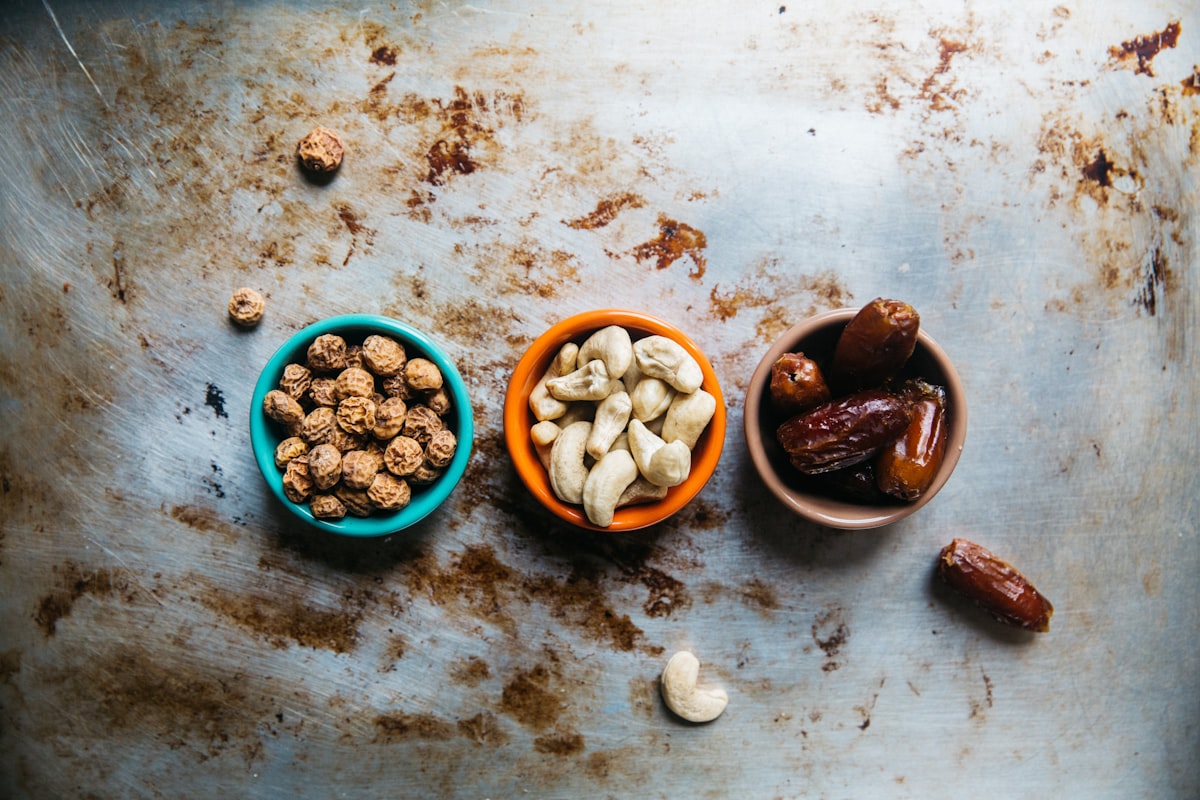
Herbal Tea Blends
Chamomile, passionflower, and valerian root infusions calm the nervous system. Sip 30-60 minutes before bed for best results.
Relaxing herbs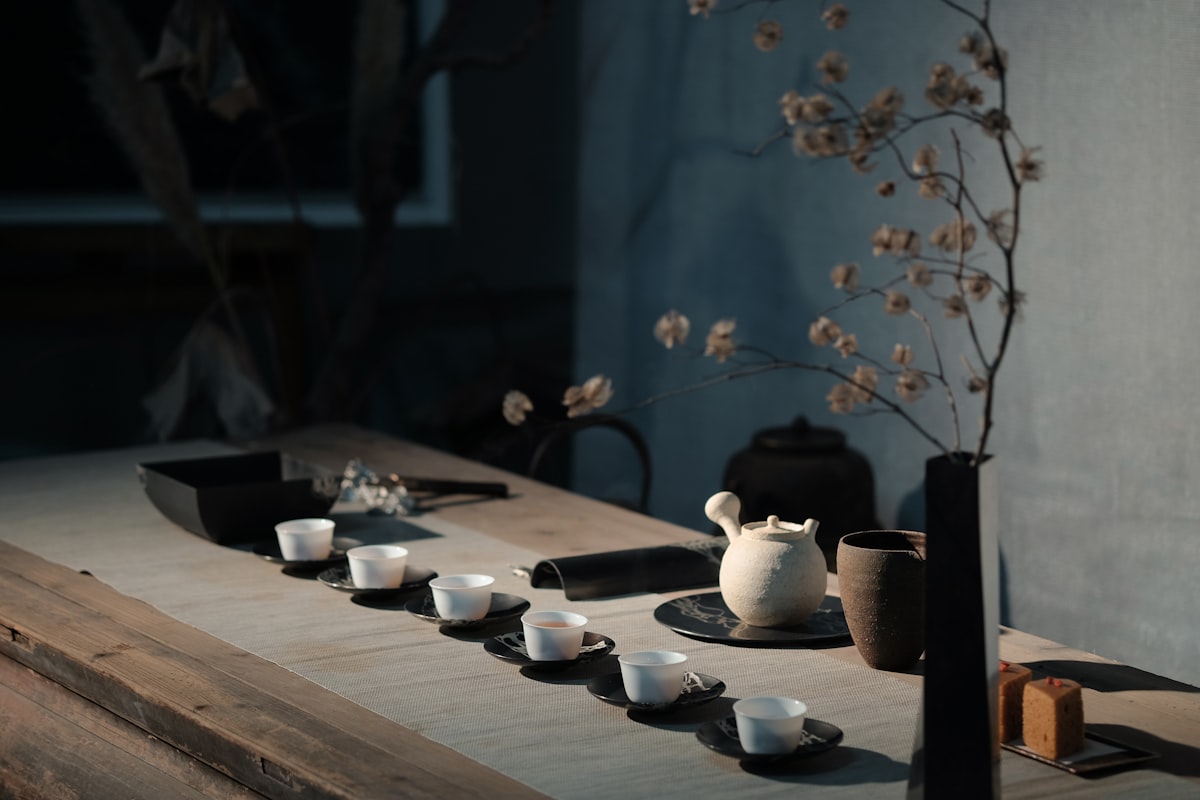
Bananas
Bananas contain both potassium and tryptophan, plus natural sugars that help tryptophan cross the blood-brain barrier for optimal effect.
Tryptophan-rich
Leafy Greens
Spinach, kale and lettuce provide magnesium and folate. These greens support the neurotransmitters that regulate sleep-wake cycles.
Nutrient-dense
Greek Yogurt
High in protein and tryptophan, plain Greek yogurt is easily digestible and pairs well with berries or granola for a balanced evening snack.
Protein sourceYour Nightly Routine Timeline
Follow this structured timeline to align your body's natural rhythms with intentional habits that promote restful sleep.
4:00 PM – Late Afternoon Energy Peak
This is your ideal window for exercise or physical activity. Movement during daylight hours promotes circadian alignment and afternoon sunlight exposure reinforces your natural sleep drive for later.
6:00 PM – Final Main Meal
Eat your largest meal now, at least 3-4 hours before bed. Include protein, whole grains, and vegetables. This timing allows full digestion without sleep interference while providing sustained nutrition through the evening.
7:30 PM – Reduce Screen Exposure
Blue light from phones, tablets and screens suppresses melatonin production. Begin dimming lights, switching to reading mode on devices or putting screens away entirely. This signals your body that evening is beginning.
8:30 PM – Light Evening Snack (Optional)
If hungry, consume a small sleep-supporting snack: a small bowl of oatmeal with berries, a banana, or a small handful of almonds with herbal tea. This satisfies hunger without overloading digestion before bed.
9:00 PM – Relaxation Ritual Begins
Prepare and drink warm herbal tea. Follow with a relaxation practice: gentle stretching, meditation, breathwork or reading. This 60-90 minute window before sleep allows your nervous system to shift from sympathetic (alert) to parasympathetic (rest) activation.
10:30 PM – Sleep Preparation
Cool your bedroom to 16-19°C (60-67°F), complete your sleep hygiene routine, and maintain consistent bedtime. By this stage, your body should feel naturally drowsy and ready for the sleep cycles ahead.
What Affects Sleep Quality
Understanding the interconnected factors that influence how well you sleep helps you make targeted improvements to your routine.
Sleep Schedule Consistency
Keeping the same bedtime and wake time seven days a week aligns your circadian rhythm with social time. This consistency is more influential than total sleep hours alone.
Bedroom Environment
Cool temperature, darkness, and quiet conditions support sleep. Blackout curtains and white noise machines can significantly improve sleep quality in urban settings.
Stress and Mental State
Chronic stress keeps your nervous system in alert mode. Regular relaxation practices, journaling and mindfulness are evidence-based methods to calm the pre-sleep mind.
Physical Activity Level
Regular daytime exercise enhances deep sleep, though strenuous activity close to bedtime can be stimulating. Aim for activity earlier in the day or gentle evening movement.
Caffeine and Alcohol Timing
Caffeine has a half-life of 5-6 hours; consuming it after 2 PM interferes with sleep. Alcohol may induce drowsiness but fragments sleep quality throughout the night.
Light Exposure Patterns
Morning sunlight exposure synchronises your circadian rhythm, while evening darkness supports melatonin rise. Irregular light exposure disrupts your internal clock.
Common Sleep Questions
Explore answers to frequently asked questions about sleep hygiene, nutrition and establishing healthy evening routines.
How much sleep do adults actually need?
Most adults require 7-9 hours of sleep per night for optimal cognitive function, immune health and emotional regulation. Individual needs vary slightly, but consistently falling short of this range impairs physical and mental performance.
Can certain foods actually help me fall asleep faster?
Yes. Foods containing tryptophan (an amino acid that converts to serotonin), magnesium, and B vitamins directly support sleep mechanisms. Almonds, bananas, oatmeal and leafy greens are particularly effective, especially when consumed 1-3 hours before bed.
Is it bad to use screens before bed?
Blue light from screens suppresses melatonin production, signalling your brain that it is daytime. Reducing screen exposure 1-2 hours before bed allows melatonin to rise naturally. If screens are necessary, use reading mode or blue-light filtering glasses.
What's the ideal room temperature for sleep?
The ideal sleep temperature is between 60-67°F (15-19°C). A cooler room promotes deeper sleep by facilitating the natural drop in body temperature. Adjust based on personal preference and bedding layers.
How does caffeine affect sleep?
Caffeine has a half-life of 5-6 hours, meaning half remains in your system 5-6 hours after consumption. To protect sleep quality, avoid caffeine after 2 PM. Even small amounts can impact deep sleep and REM cycles.
What Our Users Say
"Nocturnalbalancelab transformed my sleep routine. Within two weeks, I was falling asleep faster and waking up more refreshed. The personalized recommendations are spot-on!"
Sarah Mitchell
Marketing Professional
"As a shift worker, I struggled with sleep consistency. This platform helped me understand my sleep patterns and gave me practical strategies that actually work with my schedule."
James Rivera
Healthcare Worker
"I've tried everything for my insomnia. Nocturnalbalancelab's evidence-based approach finally gave me results. I'm sleeping 7+ hours consistently now!"
Elena Gonzalez
Research Scientist
"The sleep tracking features are incredibly detailed. I love seeing my progress visualized. The app's insights helped me identify exactly what was disrupting my sleep."
Marcus Chen
Software Engineer
Ready to Transform Your Sleep?
Join thousands of users who've already improved their sleep quality. Start your journey to better rest today.